Elder Care

1. Background and Rationale
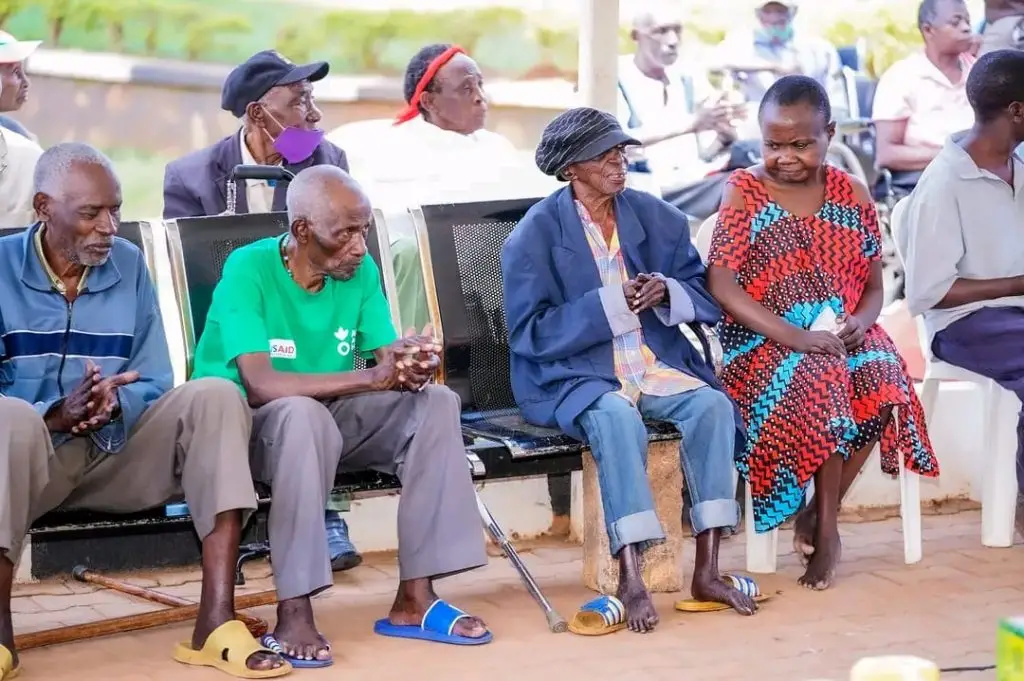
The care burden for elderly persons remains a significant challenge, particularly in informal setups and rural areas in Kenya. Currently, the government has put in place various interventions like the Inua Jamii Senior Citizens’ Scheme, which provides a bi-monthly stipend to those aged 70 and above who are not on any pension plan.
The following are current government interventions for older persons:
- The Older Persons Cash Transfer (OPCT) Program targets vulnerable older individuals. Initially, a pilot program targeting households with individuals aged 65 and above, it has evolved into a program providing individual benefits to those aged 70 years and above who are not on a pension plan or other social protection initiatives.
- The government is currently working on expanding the OPCT program to include those aged 60 years and above. There are also efforts to develop a comprehensive Older Persons Bill.
- The Constitution of Kenya, specifically Article 57, mandates the state to protect and support older persons by ensuring their equal participation in decision-making, access to personal development, dignity, and freedom from abuse.
- The government is promoting entrepreneurship among older persons through initiatives like the Hustler Fund and Women Enterprise Fund.
- The Public Benefit Organizations (PBO) Act, 2013 aims to foster partnerships between the government and civil society organizations to address the financial gap and improve public service delivery.
Child and Elder Care Foundation has sought collaboration with the State Department of Senior Citizens Affairs under the Ministry of Labour and Social Protection in the following:
- Facilitating access to inclusive services for older people with disabilities.
- Capacity building and training of caregivers for older persons.
- Running elder care programs, including temporary care and sensitization on available social protection schemes.
- Supporting policy development, research, and monitoring of programs for the elderly.
- Mobilizing resources and strategically financing interventions to protect and empower vulnerable populations.
2. Objectives of the Foundation
Financial Support for Care Services
- Provide grants or subsidies for health, nutrition, education, and home care.
- Support vulnerable families and institutional care providers.
Capacity Building & Training
- Fund training programs for caregivers, community groups, and trainers.
- Facilitate accreditation and continuous professional development.
Infrastructure & System Development
- Invest in care facilities such as day-care centers, elderly homes, and protection centers.
- Develop digital systems for caregiver registration, data management, and monitoring.
Policy Advocacy & Legal Support
- Fund initiatives that advocate for legal protections, caregiver rights, and policy reforms.
- Support integration of care work into national labor and social protection policies.
Emergency and Crisis Response
- Provide rapid support during health crises, natural disasters, or conflicts.
- Support emergency shelters, health services, and psycho-social assistance (e.g., mobile clinics and mobile X-ray units).
Research, Innovation, and Knowledge Generation
- Fund research to identify emerging needs and develop innovative care models.
- Support monitoring and evaluation of care programs.
Public Awareness and Community Engagement
- Implement campaigns to promote rights, care standards, and community participation.
Partnership and Collaboration Support
- Facilitate multi-sector collaborations with governments, CSOs, FBOs, and the private sector.
Resource Mobilization and Fundraising
- Secure financial contributions from government, private sector, development partners, and individuals.
- Establish endowment and sustainability funds for long-term impact.
- Launch targeted fundraising campaigns.
3. Governance and Management Structure
A robust governance structure will be established to ensure transparency, accountability, and effective management:
- Steering Committee: Representatives from government, CSOs, private sector, and development partners.
- Foundation Secretariat: Responsible for day-to-day operations, fund management, project appraisal, and reporting.
- Technical Advisory Group: Experts providing guidance on care standards, policies, and innovations.
4. Expected Outcomes
- Improved access to quality care services for vulnerable children and elderly persons.
- Empowered, trained, and supported caregivers.
- Strengthened legal protections and care systems.
- Increased public awareness and reduced stigma around care work.
- Enhanced resilience in responding to emergencies affecting care systems.
5 . Conclusion and Call to Action
The establishment of the Child and Elder Care Foundation represents a critical step in promoting inclusive development, safeguarding vulnerable populations, and recognizing the value of caregiving. We invite all stakeholders to partner with us in operationalizing this fund and jointly building a more compassionate, equitable, and resilient society.